
Wax, sealants and ceramic coatings explained
Three products, three different jobs, and a lot of marketing in between. What each one actually is, what it protects against, and which is worth the money for the way you use your vehicle.
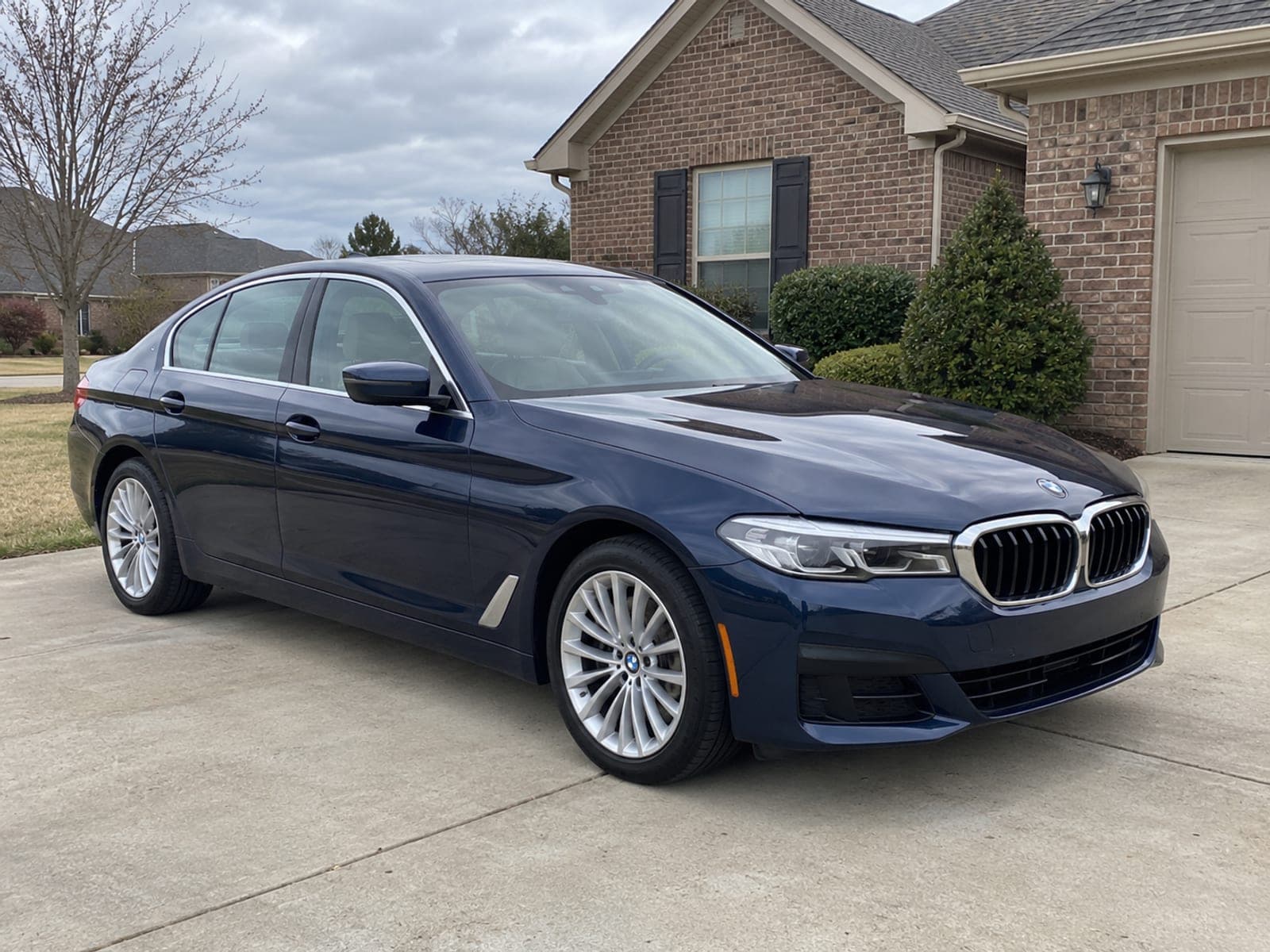
Wax, sealant and coatings: what each protects against and how long it holds.
2 articles
Wax, sealant and ceramic coating, what each one is for, how long it really lasts, and what shortens it.

Three products, three different jobs, and a lot of marketing in between. What each one actually is, what it protects against, and which is worth the money for the way you use your vehicle.

Durability claims are measured in ideal conditions. Your vehicle does not live in ideal conditions. Here is what actually wears protection off, and how to check whether yours is still there.
The short version
Every protective product on the market is sold on a number of years, and almost none of those numbers describe a car that is parked outside and driven. They come from controlled testing, and the gap between that and a driveway in August is where most of the disappointment in this category lives.
What protection is actually doing is simpler than the marketing: it is a sacrificial layer that takes ultraviolet light, acidic contamination and mechanical contact so the clear coat underneath does not. It is consumable by design. The useful question is not how long a product lasts but how long it lasts where your car lives, and how easily it is topped up when it stops.
Storage decides more of that than product choice does. The same coating on a garaged car and on one in an open lot through a Texas summer is two completely different intervals. These pieces set out what each kind of protection is for, what it realistically buys, and when the honest answer is that the cheaper option is the better one.
Other topics
Book in two minutes
Enter your ZIP code to see the arrival windows we genuinely have open in your area.
No depositTwo-hour arrival windowsWe come to you