



Boat detailing: oxidation, spots and mildew
Three problems account for most of what a boat detailer is called about. All three are preventable, all three get expensive if they are left, and none of them is fixed the way a car would be.
Gelcoat, vinyl, canvas and cabin — on the trailer, on the hard or in the slip.
Marine
A boat lives under continuous UV with nothing overhead, in water that is either mineral-heavy or salty, and spends long stretches under a cover where air does not move. Nothing else we work on gets all three at once.
Three problems come out of that, and between them they account for most of what we are called about: oxidized gelcoat, staining at and below the waterline, and mildew in the vinyl and the canvas. All three are preventable and all three get expensive if they are left.
None of it is cleaned the way a car is. Gelcoat is a resin surface rather than paint, marine vinyl reacts badly to almost everything sold for household cleaning, and non-skid decking must never be given a finish that makes it slick.
Almost every heavy mildew job starts with a boat that was put away dirty.
What we service
Length decides the scope; where the boat sits decides what can be reached. Both are asked at booking.


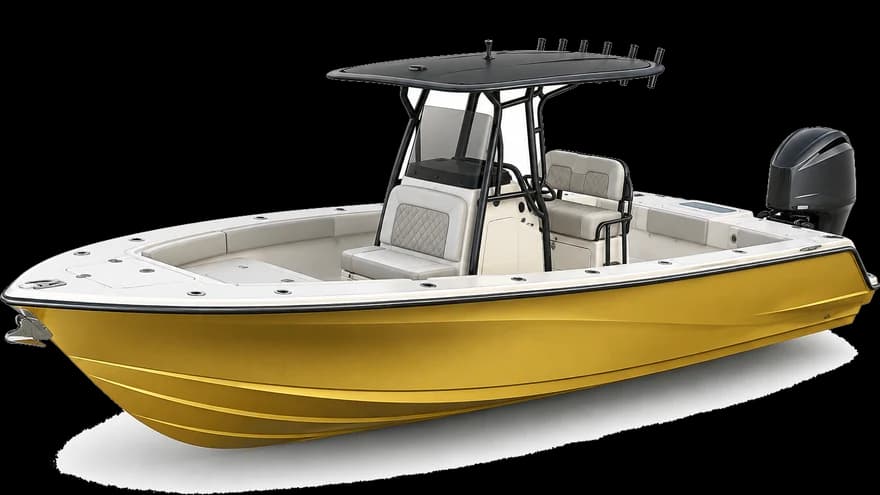
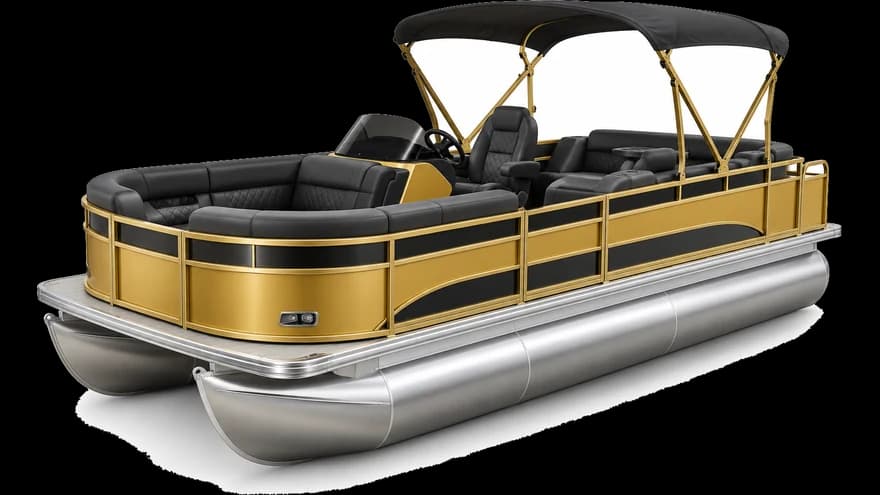
Bowriders, bass and fishing boats, deck boats and sailboats are all covered. Larger vessels are taken on where the site and the season allow, and are quoted after a look rather than booked online.
Where it sits
This is the first question we ask, because it rules whole parts of the job in or out before length matters at all.
The straightforward case. Everything is reachable, and the boat can be moved to somewhere with room to work around it.
Everything possible
Full access to the hull, which is the only position where anything below the waterline can be addressed.
Hull accessible
Topsides, deck, interior and canvas only. Everything is worked from a dock, nothing may go into the water, and several products are ruled out for that reason.
Above the waterline
Has to come off before anything starts. Worth planning around, because removing and refitting it is time before any cleaning happens.
Allow extra time
Surfaces
Every surface on a boat has its own rule, and at least three of them are ruined by products most people already own.
Scope
Marine work attracts vague quotes. This is the line we draw, stated before you book rather than discovered at the dock.
Timing
Most owners book the first and skip the second. The second is the one that decides what next spring looks like.
The surface is reset and sealed while the boat is dry and accessible, so the season starts with protection on it instead of acquiring spotting from week one.
Salt, tannins and organic film left under a cover have months to work with no sun, no airflow and nobody looking. This is where the mildew jobs come from.
Fresh water over everything, trailer included. Dried salt pulls moisture out of the air and keeps a wet film against metal indefinitely.
A cover strapped tight over a damp interior is an incubator. Vents and a moisture absorber prevent more mildew than any product removes.
Questions
Yes, for everything above the waterline — topsides, deck, interior, canvas and hardware. Anything below it needs the boat on a trailer or on stands. Working in a slip also rules out several products, because nothing may go into the water.
Usually. Light oxidation polishes out; moderate needs compounding first; heavy may need wet sanding before polishing. What decides it is how much gelcoat is left — on a hull that has been compounded repeatedly over decades there may not be enough to take another pass, and the honest recommendation becomes paint or wrap.
With a marine vinyl cleaner and agitation, followed by a protectant. Not bleach: it breaks down the stitching long before it damages the vinyl, and it strips the UV inhibitors, which is what makes seats go hard and crack a season later. The same goes for alcohol-based and abrasive cleaners.
No. That is yard work rather than detailing, and it needs a haul-out and a different setup entirely. We clean and protect the surfaces above it.
By length, by where it sits, and by condition. A twenty-two-foot pontoon on a trailer and a thirty-eight-foot cruiser in a slip share almost nothing, so a category price would be meaningless. Send the length, the position and a few photographs of the hull and upholstery and we will quote properly.
Ask for it and yes. It is worth doing on anything that has been in salt water, where the trailer usually has a harder life than the boat.
Read next
A vehicle page says what we will touch. A service page says what the work consists of, step by step, and how the exact price is arrived at.
Guides
What needs care, what damages it, and what changes the scope of a visit — in more detail than a landing page can carry.

Three problems account for most of what a boat detailer is called about. All three are preventable, all three get expensive if they are left, and none of them is fixed the way a car would be.
Other vehicles
Sedans through three-row SUVs, pickups, minivans and vans.
Bikes, quads, side-by-sides and golf carts, cleaned where they are stored.
Motorhomes, towables, coaches and converted buses, measured by the foot.
Day cabs, sleepers, box trucks and trailers, cleaned where they are parked.
Book in two minutes
Enter your ZIP code to confirm we serve your location and see the windows we have open.
No depositTwo-hour arrival windowsWe come to you