
Specialty vehicles
Cleaning a motorcycle or UTV safely
A motorcycle has almost no bodywork and almost nothing hidden. Everything you clean is a finished surface or a moving part, which is why the method matters more here than on a car.

Bikes, quads, side-by-sides and carts, cleaned where they are stored.
Powersports
A car hides most of itself behind panels and carpet, and what you clean is largely a painted shell. A motorcycle hides nothing. The frame, the engine, the suspension, the brake lines and the drive are all surfaces you are looking at, and most of them are finished in something that behaves differently from paint.
A side-by-side is the same problem with mud added, and mud is where the damage usually happens — because the obvious tool for it is a pressure washer, and a pressure washer is the fastest way to ruin a wheel bearing, a chain seal or a graphics kit.
So this is careful work rather than fast work. Low pressure, proper cleaners given time to act, brushes of different stiffness, and the chain relubricated before we leave.
The method matters more here than it does on a car, because there is nowhere for a mistake to hide.
What we clean
Each one asks for a different order of work. A cruiser is mostly chrome and paint; a side-by-side is mostly mud and cage.
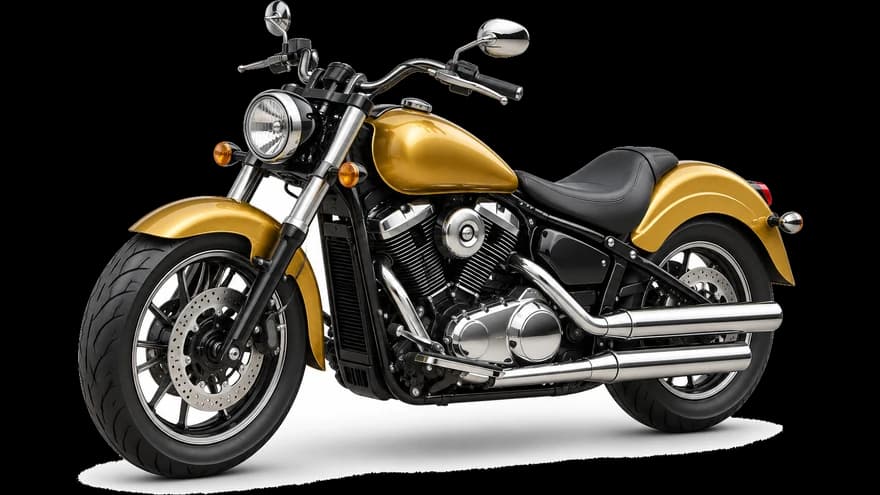
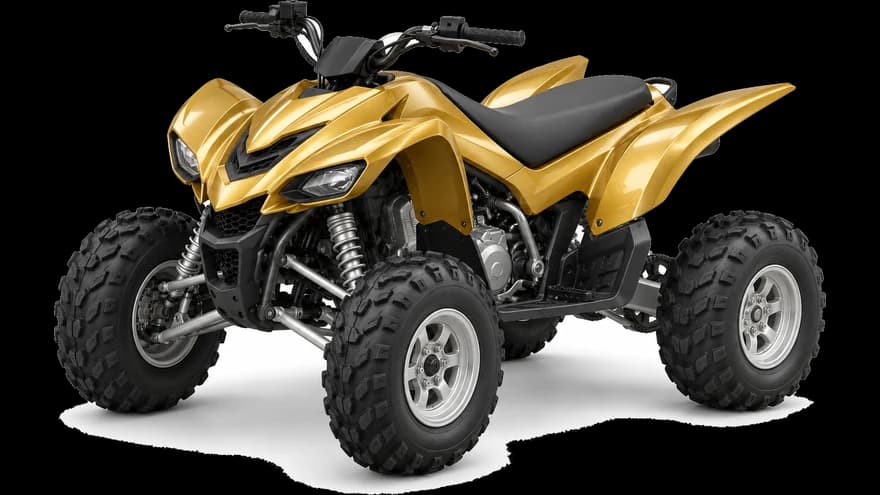
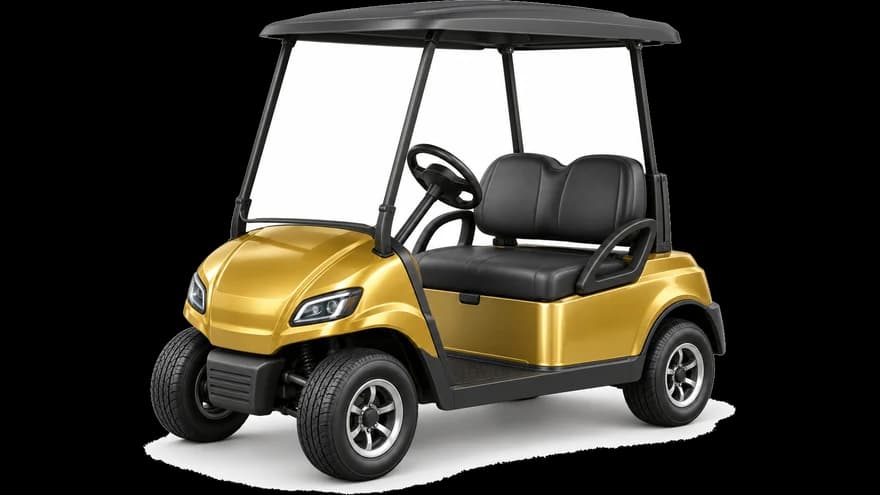
Cruisers, sport bikes, tourers, adventure bikes, scooters and trikes all sit under motorcycles. Tell us which when you book — a full touring fairing and a naked bike are not the same amount of surface.
Surfaces
Seven finishes on one machine, and getting one of them wrong is permanent. This is the part of the job that takes the knowledge rather than the time.
What we do not do
None of this shows up on the day. It shows up as a bearing, a chain or an electrical fault three months later, and by then nobody connects it to a wash.
Seals keep grease in and splash out. They are not designed to resist a jet held six inches away, and water forced past one does not leave again.
O-ring and X-ring chains hold lubricant behind small rubber seals. A jet strips the external lube and can push the seals, after which the chain wears from the inside.
Weather-resistant is not pressure-resistant. Water in a sensor connector produces faults that are genuinely hard to trace.
A jet under an edge lifts a graphics kit in seconds, and on most modern powersports bodywork the graphics are the finish.
After a ride
The order is the whole method. Dry mud has to become wet mud before it moves at all, and that takes time rather than pressure.
Everything is wetted and left. Mud packed into the cage tubes, the frame corners and the underside of the bed will not release until it has taken water back on.
Mud in a radiator is a cooling problem rather than an appearance one, and fins bent by a jet do not straighten. It is cleared by hand with low pressure and patience.
Whatever is released runs off rather than onto surfaces already finished. The bed, the arms and the skid plate come last for the same reason.
Cage tubes, seat mounts, behind the dash and inside the wheel arches, where mud dries into a shell that rinsing never reaches.
Standing water in a chassis corner is where corrosion starts. Floor drains get blocked with the same mud that made the mess, so they are cleared before we finish.
A corrosion inhibitor on bare metal, a plastic protectant on unpainted trim, and the chain lubricated on anything that has one.
Between rides
Powersports machines spend far longer parked than moving, which is the opposite of a car and changes what protection is for. The enemy is UV and standing moisture rather than road film.
Questions
No. Low pressure only, with cleaners given time to work and agitation by hand. A pressure washer is the fastest way to force water past a bearing seal, strip a chain of lubricant or lift a graphics kit, and none of that is visible on the day it happens.
Yes, on anything with an exposed chain. Washing removes the external lubricant whether or not high pressure was used, and handing a bike back with a dry chain would be leaving the job unfinished.
Usually. We bring our own water and power, and powersports work uses far less water than a car wash does. What we need is room to walk around the machine and somewhere for the runoff to go — tell us the setup when you book and we will say whether it works.
It is the most common one in this category. It takes longer than a maintenance clean because dry mud has to be soaked before it moves, so tell us at booking rather than on arrival and the right amount of time gets reserved.
Dull chrome polishes back. Pitted chrome does not — the pitting is corrosion coming through from beneath the plating, and polish only makes the surrounding surface brighter. We will tell you which you have before starting rather than after.
Read next
A vehicle page says what we will touch. A service page says what the work consists of, step by step, and how the exact price is arrived at.
Guides
What needs care, what damages it, and what changes the scope of a visit — in more detail than a landing page can carry.
A motorcycle has almost no bodywork and almost nothing hidden. Everything you clean is a finished surface or a moving part, which is why the method matters more here than on a car.
Other vehicles
Sedans through three-row SUVs, pickups, minivans and vans.
Motorhomes, towables, coaches and converted buses, measured by the foot.
Gelcoat, vinyl, canvas and cabin — on the trailer, on the hard or in the slip.
Day cabs, sleepers, box trucks and trailers, cleaned where they are parked.
Book in two minutes
Enter your ZIP code to confirm we serve your location and see the windows we have open.
No depositTwo-hour arrival windowsWe come to you