Specialty vehicles
Semi-truck detailing for owner-operators
A truck out of service is a truck not earning, which makes scheduling the hardest part of the job. Here is what the work involves and how it fits into the hours a truck is actually parked.

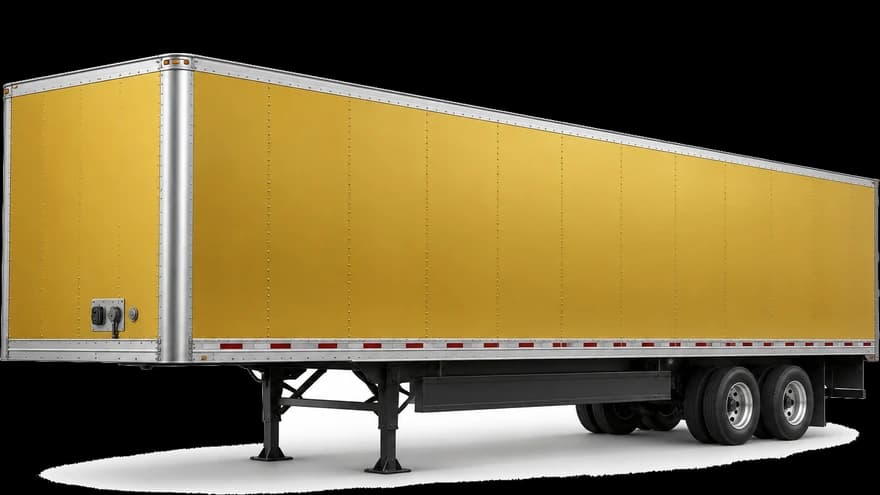
Day cabs, sleepers, box trucks and trailers, cleaned where they are parked.
Commercial
Everything about detailing a commercial vehicle is shaped by that one fact. The work is not harder than a car — it is larger, the finishes are different, and the real constraint is the window in which the vehicle is standing still.
So we come to the yard, the terminal or the truck stop, and we work around a reset, an overnight, or an agreed slot on a route. For a fleet, that is the difference between a scheduled visit and twenty separate appointments nobody can staff.
A clean truck is what a broker, a shipper and a scale house see before anything else.
What we service
Tractor and trailer are separate pieces of work and are quoted as such — many operators have one done far more often than the other.



Delivery vans, dump trucks, flatbeds, tankers and curtain-siders are all in this category. Anything with a food-grade washout requirement is scoped separately, because that is a different job with different standards.
Who books this
The work is the same. What changes is how it is scheduled and how it is quoted — a line of vehicles in one yard on one visit is a fundamentally different proposition from twenty bookings.
01
One tractor, occasionally a trailer, usually booked around a reset. Metal polishing is the line most owner-operators care about, and it is the one that compounds if it is left.
02
Five to twenty vehicles at one location. Almost always better as a recurring visit than as individual bookings, because the whole yard can be worked in a day.
03
Multiple sites, driver schedules and hours-of-service constraints. Surveyed first, quoted in writing, then run as an agreed route on agreed days.
04
Units being photographed, listed or handed back, where appearance directly changes what the vehicle is worth.
The work
Four of these do not exist on a car at all, and one of them — the polished metal — is where most of the skill and most of the value sits.
Inside
And it is cleaned as one. A day cab is a working cabin and cleans quickly; a sleeper is a small sealed volume somebody lives in, and it needs the interior treatment rather than a wipe-down.
Personal belongings, paperwork and anything valuable out before we start. Nobody else should be sorting a driver's possessions.
Bunk area, mattress surround, curtains and any carpeted surface. This is what a vacuum cannot do and what most cab cleans skip.
Long hours, food and damp clothing accumulate in materials. We find the source, remove it and dry the space rather than spraying over it.
Where a persistent smell usually lives, and the one thing that brings it straight back if it is left.
Wheel, shifter, grab handles, switches, belt buckles. In a working cab these carry more than any other surface.
Film on the inside of a windshield is a night-driving problem before it is an appearance one.
Scheduling
Mobile service is not a convenience in this category. It is usually the only version that fits inside the hours a vehicle is not moving.
During a reset
The vehicle is parked for a mandated period and nothing is lost by cleaning it. The most common single-truck booking we take.
Overnight
Vehicles in, drivers out. The whole line can be worked without moving anything or interrupting a shift.
On a route
An agreed day, an agreed list of units, one visit. How recurring fleet work is normally run.
Drop and hook
Realistic for an exterior wash rather than a detail. We would rather tell you that than promise a full job in ninety minutes.
Getting started
Which one fits depends on how many vehicles there are and how often you want them seen.
Book a single tractor or trailer around a reset or an overnight. Tell us the unit type and what you want included, and you get the exact figure before confirming.
Book a single truckWe survey the site, agree what is included on which units, and quote in writing. One rate, one invoice, and a schedule rather than a stack of bookings.
Request a fleet quoteThe version that actually keeps a line presentable, because each visit does upkeep rather than recovery. Set the frequency and the saving applies to every visit.
How recurring care worksQuestions
Where the site permits it, yes — and a reset is the most common window for single-truck work. Many locations do not allow contractors to work on their lot, so it is worth confirming with the site before booking. A yard, a terminal or a private lot is always simpler.
Yes, and it is the line most owner-operators care about. Polished aluminum holds its finish for months once it is polished and sealed; aluminum polished once and left goes back to where it started, so it is worth treating as a schedule rather than a one-off. Mill-finish aluminum is not intended to be polished and we will tell you when that is what you have.
Interior washouts are scoped separately from an appearance detail, particularly where a food-grade standard applies. Tell us what the trailer carries and we will tell you honestly whether it is work we should be taking on.
By site rather than by vehicle. Ten trucks in one yard on one visit is far more efficient than ten separate appointments, and that efficiency belongs in your rate. We survey the location, agree what is included on which units, and put it in writing before any work starts.
That is normally the whole design of a fleet schedule. Overnight in the yard and agreed days at a terminal are the two that work most reliably, because neither takes a vehicle out of service during a shift.
No. Anyone telling you otherwise is selling something. What it does do is keep road salt and brine off aluminum and steel over a winter, which is maintenance, and keep the vehicle presentable, which is what your customers actually see.
Read next
A vehicle page says what we will touch. A service page says what the work consists of, step by step, and how the exact price is arrived at.
Guides
What needs care, what damages it, and what changes the scope of a visit — in more detail than a landing page can carry.
A truck out of service is a truck not earning, which makes scheduling the hardest part of the job. Here is what the work involves and how it fits into the hours a truck is actually parked.
The argument for a schedule is not about discipline. It is that dirt changes state over time — and once it has, removing it stops being cleaning and starts being repair.
Other vehicles
Sedans through three-row SUVs, pickups, minivans and vans.
Bikes, quads, side-by-sides and golf carts, cleaned where they are stored.
Motorhomes, towables, coaches and converted buses, measured by the foot.
Gelcoat, vinyl, canvas and cabin — on the trailer, on the hard or in the slip.
Book in two minutes
Enter your ZIP code to confirm we serve your location and see the windows we have open.
No depositTwo-hour arrival windowsWe come to you