
Specialty vehicles
Cleaning a motorcycle or UTV safely
A motorcycle has almost no bodywork and almost nothing hidden. Everything you clean is a finished surface or a moving part, which is why the method matters more here than on a car.

A truck out of service is a truck not earning, which makes scheduling the hardest part of the job.
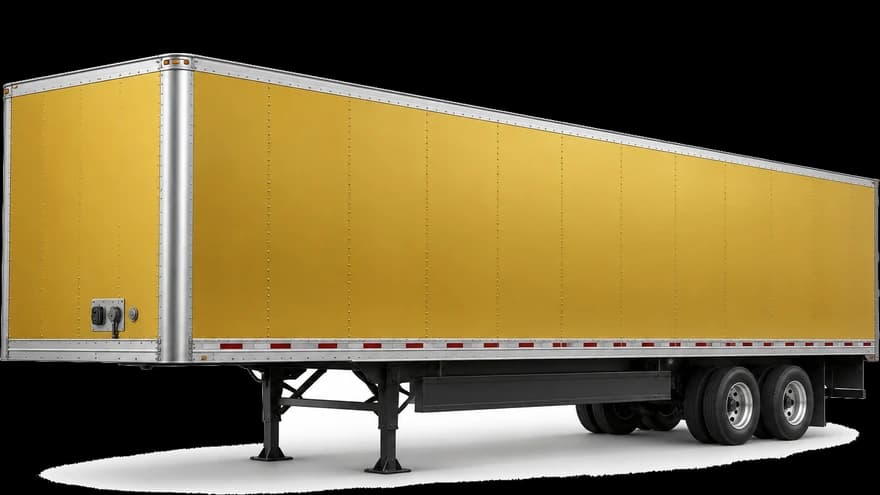
Detailing a truck is not a scaled-up car detail, and the difference is not mainly about size. It is that the vehicle is a business asset with a duty cycle, its finishes are different from a car's, and the person paying is weighing appearance against hours out of service.
Every vehicle picks up road film. A truck running long distances picks up a version of it that is heavier, oilier and bound with diesel exhaust, and it covers surfaces a car does not have — the back of the cab, the fifth wheel area, the fairings, the full length of a trailer.
It does not come off with a rinse. It needs an appropriate detergent with real dwell time, applied bottom-up so the cleaner does not run down dry panels and streak, then rinsed top-down. That sequence on a tractor and trailer is where most of the time goes.
The front of a truck after a summer run through the Midwest is a solid layer of baked-on insect residue across the bumper, the hood, the grille, the mirrors and the windshield. It is acidic, it has been cooking at highway speed, and left through a season it will etch paint and pit chrome.
It takes soaking and dwell time, not force. The one thing that reliably causes damage here is someone taking an abrasive pad to a dry bumper because the chemical was not given long enough.
This is the part of truck work with the most skill in it and the most money attached.
A day cab interior is a working space: vinyl, rubber flooring, a lot of touch points, and dirt that is ground in rather than dusted on. It cleans well and quickly with the right approach.
A sleeper is a living space and is cleaned as one. Bunk area, mattress, curtains, storage, a refrigerator, and often a microwave. The two things it needs most are extraction of the soft surfaces and honest attention to odor — a sleeper is a small sealed volume that someone lives in, and food, damp clothing and long hours all accumulate in it.
A trailer exterior is mostly a very large flat surface, and the work is about coverage and access rather than complexity. What varies is the material: an aluminum dry van, a polished stainless tanker and a curtain-side all behave differently and need different products.
Interior washouts are a separate service with separate requirements, particularly for food-grade loads, and they are properly scoped as their own job rather than bundled into an appearance detail.
For an owner-operator, time parked is time not earning, and a detail competes directly with a load. For a fleet manager the same problem arrives multiplied, with drivers, hours-of-service rules and a yard that is busy at exactly the times a detailer would like it to be quiet.
Which is why mobile service is not a convenience in this category, it is usually the only version that works:
Three reasons that hold up, and one that does not.
For a fleet, the argument is the same one as for any vehicle carrying a name: waiting until the line looks bad means it has already looked bad to customers for weeks. That case is made in why recurring care beats heavy buildup.
Keep reading
Chosen by what they have in common with this one, rather than by what was published most recently.
A motorcycle has almost no bodywork and almost nothing hidden. Everything you clean is a finished surface or a moving part, which is why the method matters more here than on a car.
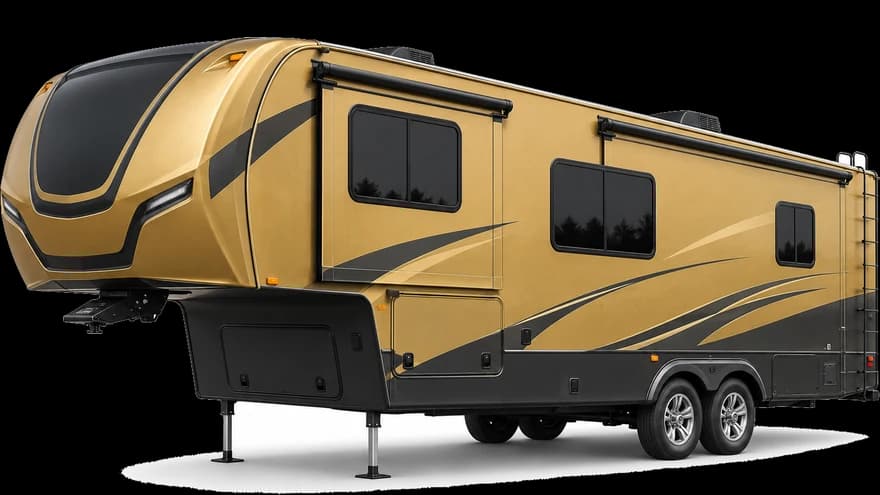
An RV is a vehicle and a building at the same time. That is why it is priced by the foot, why the roof matters more than the sides, and why black streaks keep coming back.
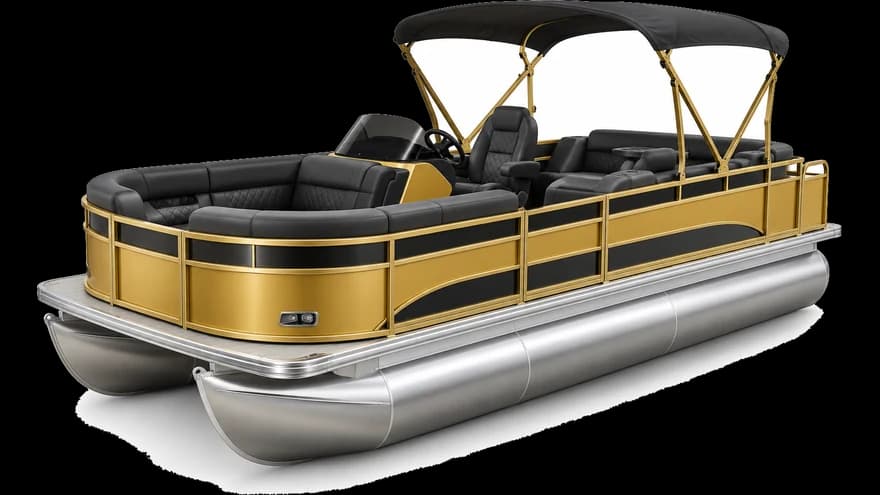
Three problems account for most of what a boat detailer is called about. All three are preventable, all three get expensive if they are left, and none of them is fixed the way a car would be.
Book in two minutes
Enter your ZIP code, tell us what you drive, and we will show you the arrival windows we have open.
No depositTwo-hour arrival windowsWe come to you