
Specialty vehicles
Cleaning a motorcycle or UTV safely
A motorcycle has almost no bodywork and almost nothing hidden. Everything you clean is a finished surface or a moving part, which is why the method matters more here than on a car.

An RV is a vehicle and a building at the same time.
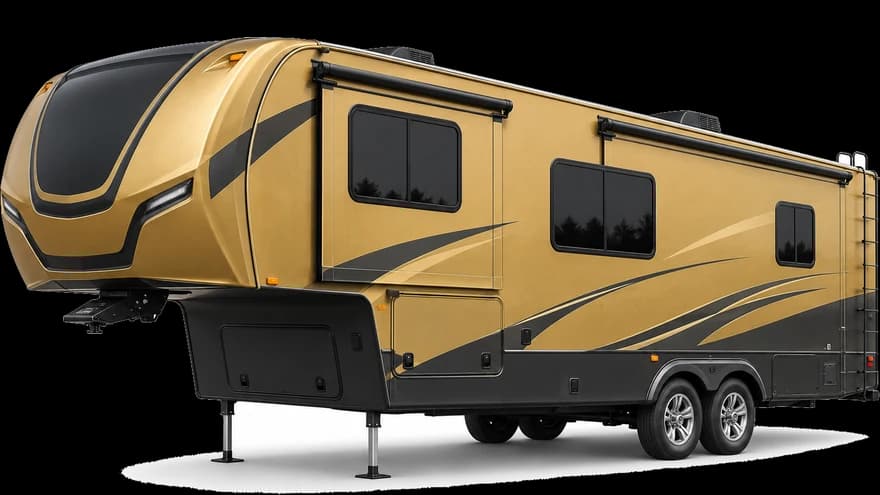
An RV is two things bolted together: a vehicle, which gets road film and insect residue like any other, and a building, which has a roof, sealed joints, awnings and a kitchen. Almost everything that makes RV detailing different comes from the second half.
A thirty-foot Class C and a forty-five-foot Class A are both "a motorhome" and they are not remotely the same job. Surface area rises with length and with height, and a taller unit means more of the work happens off the ground, which is slower again.
So the length is the starting point, and then a short list of things about the unit adjusts it: how many slide-outs, how many awnings, whether the roof is being done, whether the interior is included, and what condition the sidewalls are in.
The vertical dark runs below every roof edge, every window and every awning arm. They are not dirt from the air — they are what has washed off the roof. Roof membranes and the sealants around fittings shed a fine residue, rain carries it over the edge, and it dries onto the sidewall.
Two consequences worth knowing. First, they need a dedicated streak remover and dwell time; scrubbing harder mostly polishes the streak into oxidized gelcoat. Second — and this is the part that surprises owners — cleaning the sides without cleaning the roof means they come back with the next rain. The roof is the source.
The most important surface on the unit and the one nobody looks at. It is also where a detail turns into an inspection, because a person up there sees things an owner never does.
Most RV sidewalls are fiberglass with a gelcoat surface. Gelcoat is porous and, without protection, UV breaks it down: it goes chalky, color transfers onto a cloth, and the whole unit looks flat and gray regardless of how clean it is.
Washing does nothing to this. Restoring it means compounding and polishing the oxidized layer back to sound gelcoat and then sealing it — a multi-day job on a large unit, and one that is quoted after seeing how far the oxidation has gone. Badly weathered gelcoat can reach a point where restoration is not sensible and a paint or wrap is the honest recommendation.
The prevention is the same as on a boat: keep something on it. This is the same problem covered in preventing oxidation on a boat, because it is the same material.
It is upholstery, hard flooring, a kitchen and a bathroom, and it is cleaned like those rather than like a car cabin. Fabric dinettes and sofas are extracted; hard floors are cleaned to their material; the fridge, microwave, sink and shower are done as fixtures.
The thing to check first is anything that suggests water: a soft patch of floor, a stain on a ceiling panel, a musty note when the unit is opened. Those are findings, not cleaning problems, and they should be reported rather than covered.
Most RV work is quoted rather than booked at a fixed price, and for once that is the customer-friendly answer: the difference between a well-kept twenty-eight-foot trailer and a neglected forty-foot coach is too large for any category price to be honest about.
Keep reading
Chosen by what they have in common with this one, rather than by what was published most recently.
A motorcycle has almost no bodywork and almost nothing hidden. Everything you clean is a finished surface or a moving part, which is why the method matters more here than on a car.
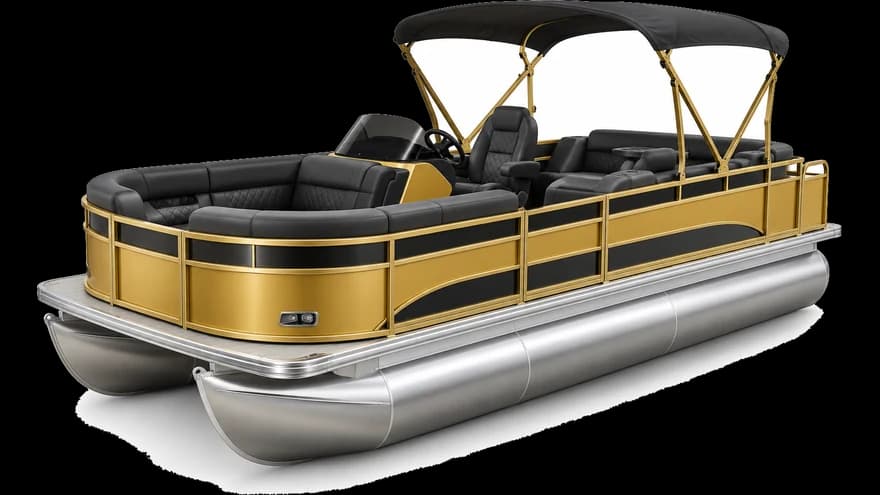
Three problems account for most of what a boat detailer is called about. All three are preventable, all three get expensive if they are left, and none of them is fixed the way a car would be.
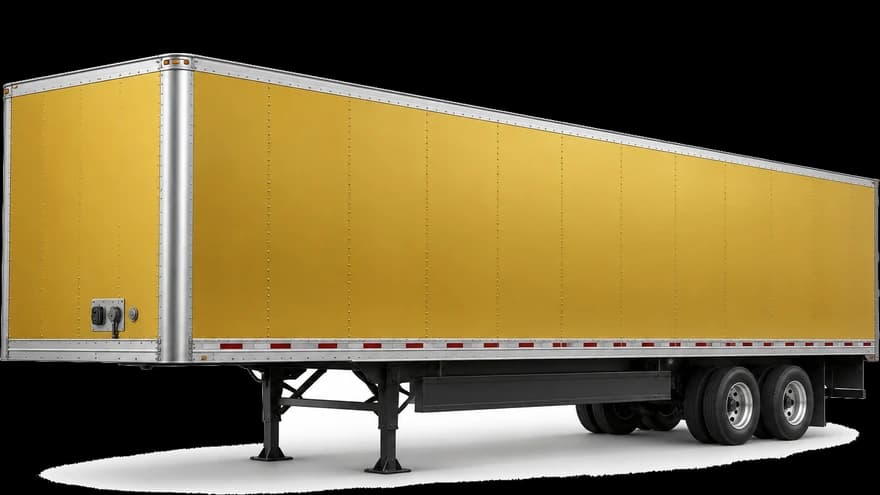
A truck out of service is a truck not earning, which makes scheduling the hardest part of the job. Here is what the work involves and how it fits into the hours a truck is actually parked.
Book in two minutes
Enter your ZIP code, tell us what you drive, and we will show you the arrival windows we have open.
No depositTwo-hour arrival windowsWe come to you