
Specialty vehicles
Cleaning a motorcycle or UTV safely
A motorcycle has almost no bodywork and almost nothing hidden. Everything you clean is a finished surface or a moving part, which is why the method matters more here than on a car.

Three problems account for most of what a boat detailer is called about.
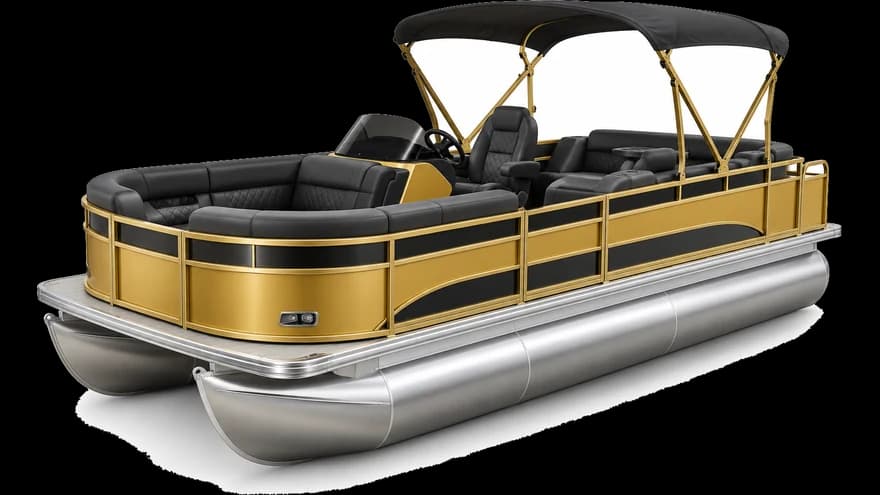
A boat lives in the worst environment any recreational vehicle faces: continuous UV with nothing overhead, water that is either mineral-heavy or salty, and long periods covered up where air does not move. Three problems come out of that, and between them they account for most of the calls a marine detailer gets.
Most boats are fiberglass with a gelcoat surface — a pigmented resin layer, typically a fraction of a millimeter thick, that provides both the color and the waterproofing. It is not paint and it does not behave like paint.
Gelcoat is slightly porous, and UV breaks down the resin at the surface. As it does, the layer goes microscopically rough: it stops reflecting evenly, the color looks chalky and faded, and pigment transfers onto a cloth when you wipe it. A red or dark blue hull shows this first and worst.
Two different marks get called the same thing.
Salt is its own problem. It is hygroscopic — it pulls moisture out of the air — so dried salt on hardware keeps a wet film against the metal indefinitely. A freshwater rinse after every use, including the trailer, is worth more than any product applied afterward.
Marine vinyl is treated to resist mildew, and the mildew usually is not growing on the vinyl. It grows in what is on the vinyl: sunscreen, body oils, spilled drinks, fish slime. That film is the food source.
Which is why the fix is a marine vinyl cleaner used regularly rather than a stronger product used once. And why one very common shortcut causes lasting damage:
Canvas — bimini tops, covers, enclosures — is acrylic fabric with a water-repellent finish. It is cleaned gently, rinsed thoroughly, dried completely, and then re-treated, because the cleaning removes the repellency along with the dirt. Deep mildew staining in canvas is often permanent even when the growth is killed.
This is why marine work is quoted from length, position and condition rather than priced from a list. A twenty-two-foot pontoon on a trailer and a thirty-eight-foot cruiser in a slip share almost nothing.
Before launch: the surface is reset and sealed while the boat is accessible and dry, so it goes into the season with protection rather than acquiring spotting from week one.
Before storage: this is the one people skip and the one that matters more. Salt, tannins and organic film left on a boat for a winter under a cover have months to work on it with no sun, no airflow and no one looking. Almost every heavy mildew job starts with a boat that was put away dirty.
Keep reading
Chosen by what they have in common with this one, rather than by what was published most recently.
A motorcycle has almost no bodywork and almost nothing hidden. Everything you clean is a finished surface or a moving part, which is why the method matters more here than on a car.

An RV is a vehicle and a building at the same time. That is why it is priced by the foot, why the roof matters more than the sides, and why black streaks keep coming back.
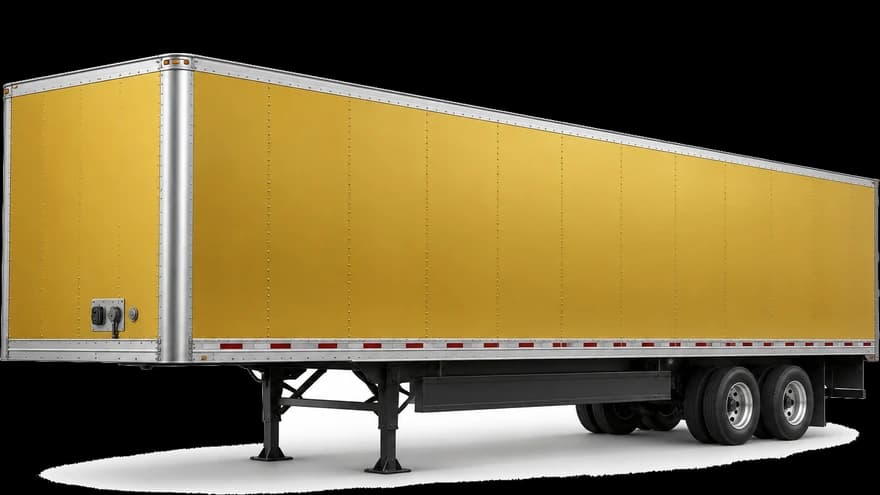
A truck out of service is a truck not earning, which makes scheduling the hardest part of the job. Here is what the work involves and how it fits into the hours a truck is actually parked.
Book in two minutes
Enter your ZIP code, tell us what you drive, and we will show you the arrival windows we have open.
No depositTwo-hour arrival windowsWe come to you