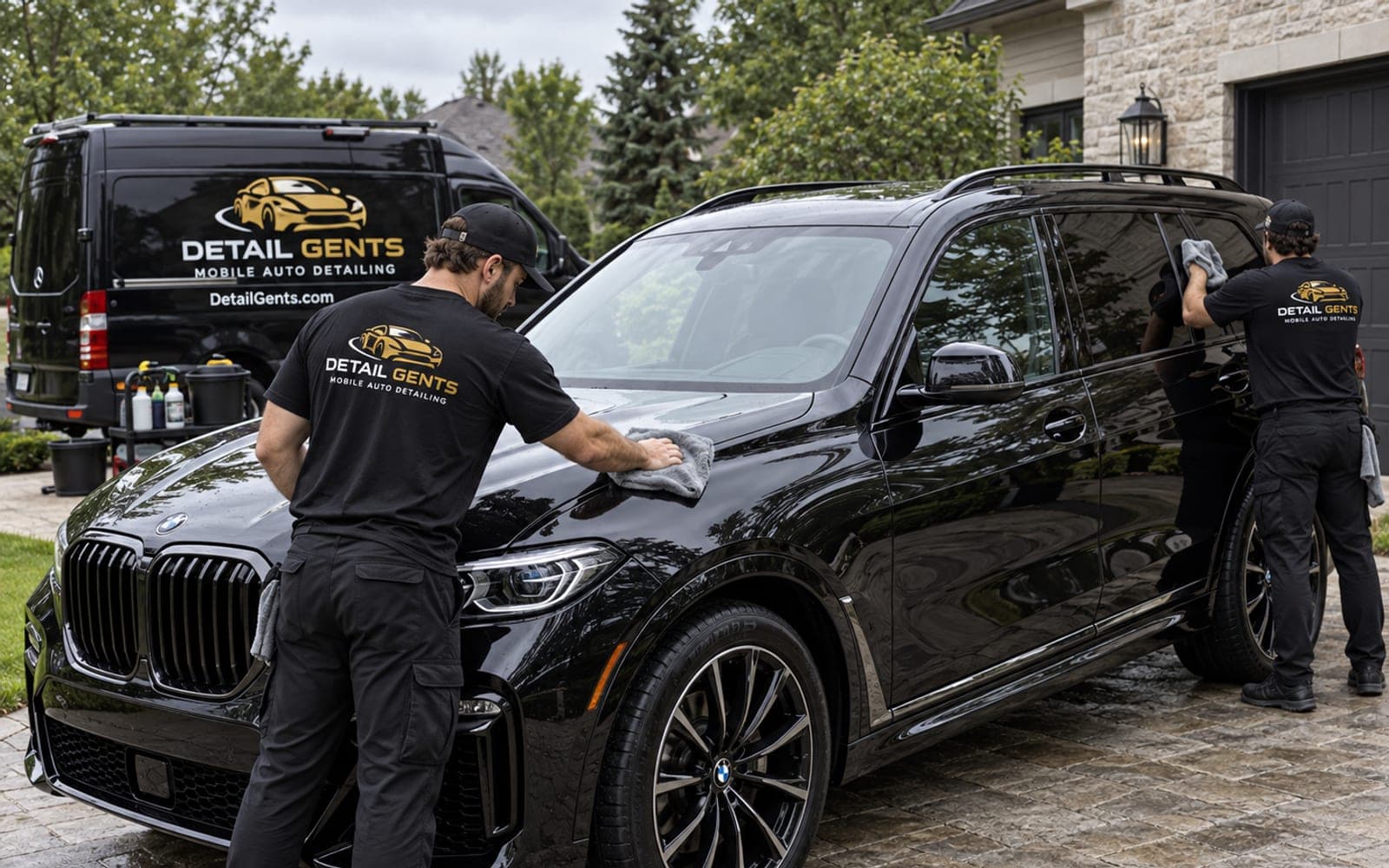
Auto detailing
What does mobile auto detailing include?
A detail is a defined list of work, not a vague promise to make a car nice. Here is what is on that list inside and out, what normally costs extra, and what detailing cannot do at all.

An automatic wash is fast and cheap and it is the right answer more often than detailers like to admit.
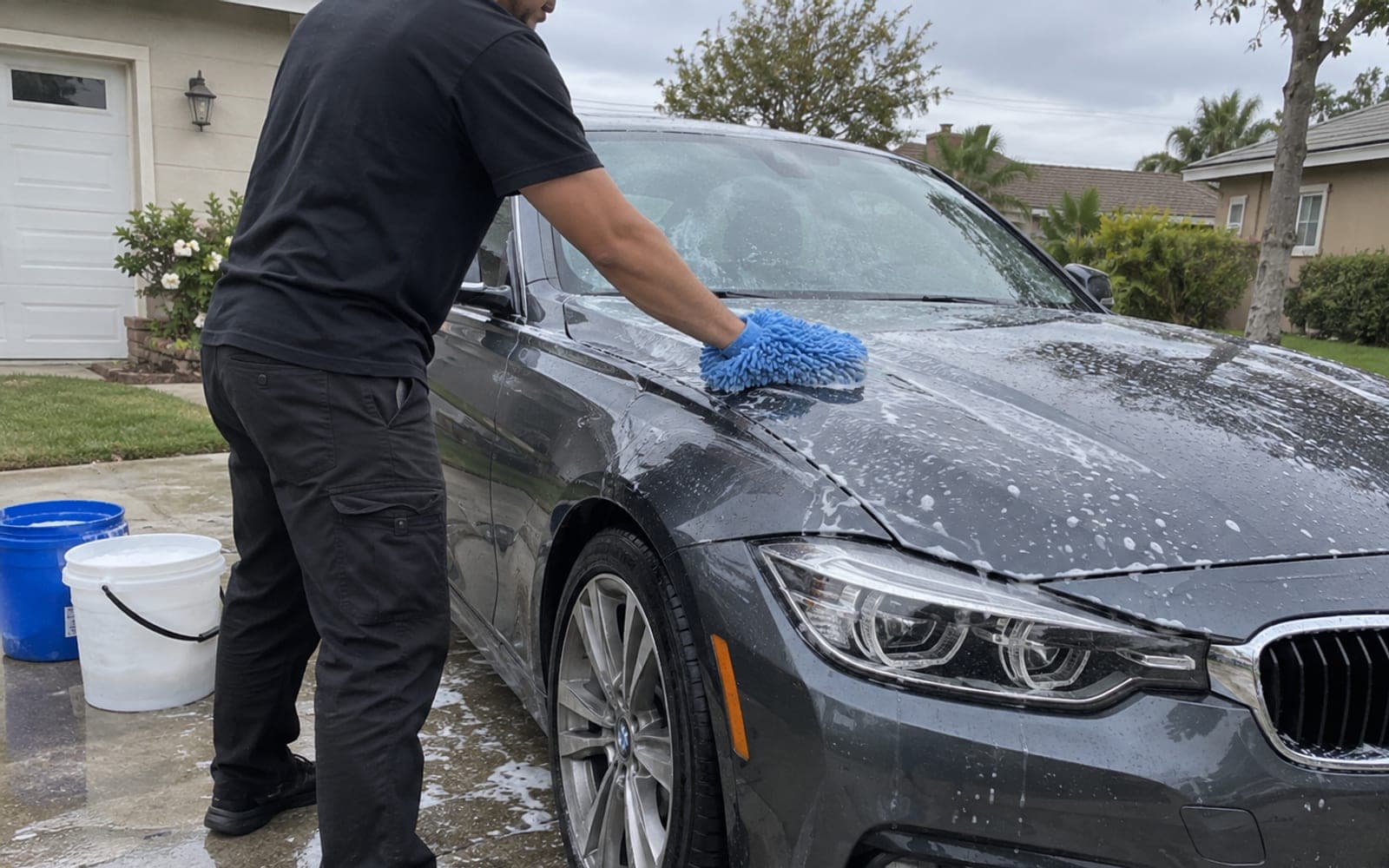
Detailing companies tend to answer this question badly, because the honest answer costs them a sale. So here is the honest version first: for a lot of vehicles, on a lot of weeks, an automatic wash is the correct choice. What it is not is a substitute for the thing it is usually compared to.
An automatic wash removes what is loose. Road salt, dust, pollen, a week of highway film. It does that in four minutes for a few dollars, at a volume no hand wash can compete with, and getting salt off a vehicle quickly in winter genuinely matters more than the method used to do it.
Where it stops is anything that has bonded to the surface. Brake dust that has embedded in the clear coat, tree sap, tar, industrial fallout, water spots that have etched — none of those come off with soap and pressure, however many passes you buy.
The fine web of light scratches you can see on a dark car under direct sun has a boring cause: something abrasive was dragged across the panel. In a friction wash, that is the brushes or cloth strips carrying grit from the vehicles before yours. Every pass is a very light sanding.
None of this is an argument that automatic washes destroy cars. It is an argument that the marks accumulate, they are cumulative rather than dramatic, and on a dark vehicle you will notice around year three.
That last one is underrated. A detailer working panel by panel notices the chip that is about to rust, the tire wearing on one edge, the roof rail seal that has lifted. A tunnel does not.
A defensible pattern for most drivers, and the one we would suggest to a friend:
It depends entirely on what you are buying it for. If the goal is a clean car for the weekend, a wash is better value and nobody should pretend otherwise. If the goal is a vehicle that still looks right in five years, or one you will sell, or one you spend two hours a day sitting in, the arithmetic changes — paint correction later costs multiples of the protection that would have prevented needing it.
The other half of the equation is your time. A mobile detail happens while you are working or at home. An automatic wash is cheap but it is still a trip. For a lot of people that trade is the whole decision, and it has nothing to do with paint.
If you want the underlying maintenance argument rather than the comparison, how often you should have a vehicle detailed is the more useful read.
Keep reading
Chosen by what they have in common with this one, rather than by what was published most recently.
A detail is a defined list of work, not a vague promise to make a car nice. Here is what is on that list inside and out, what normally costs extra, and what detailing cannot do at all.
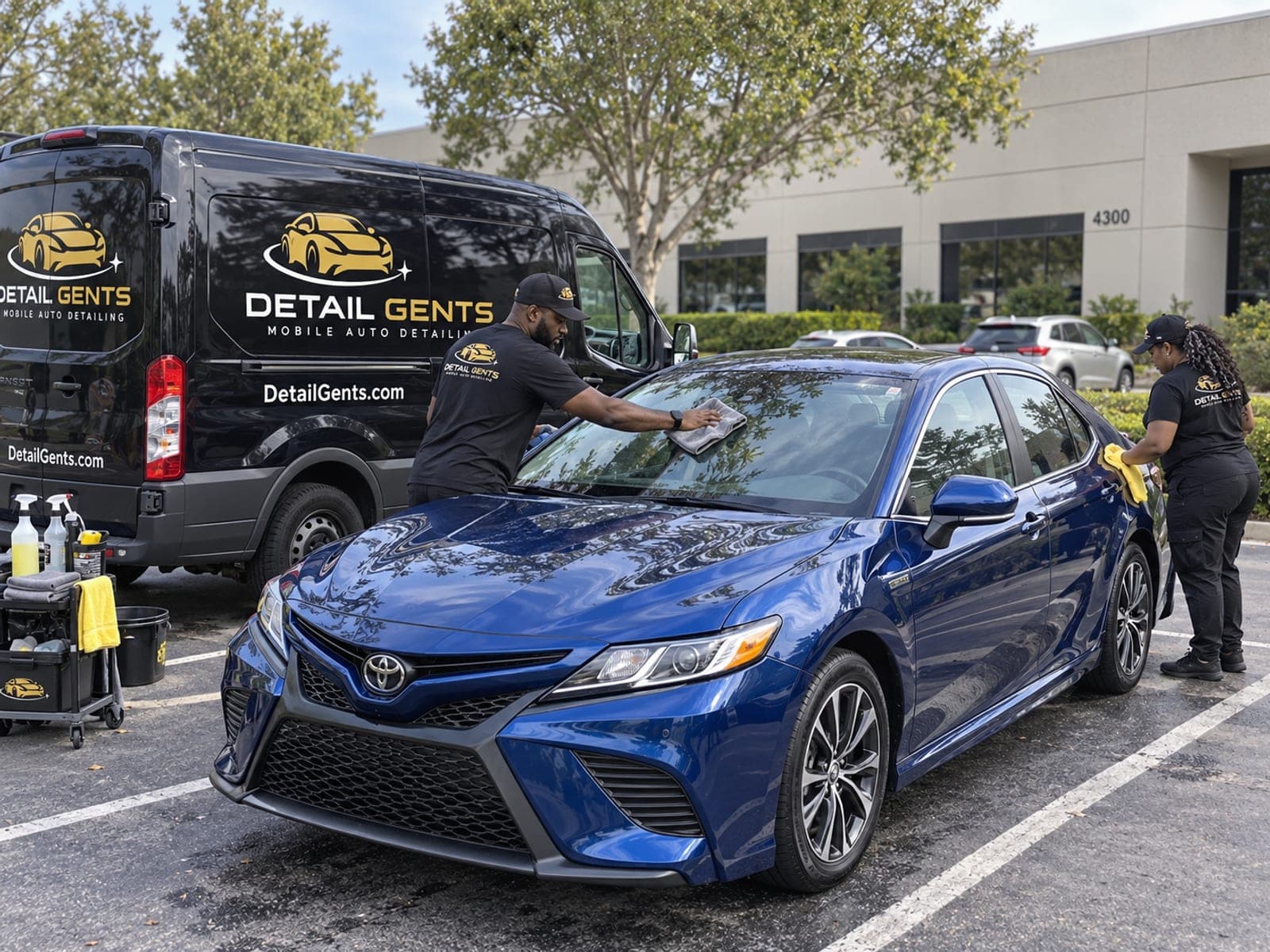
Anyone can own a pressure washer and a van. These are the questions that separate a detailer from someone with equipment, and the answers you should expect to hear.
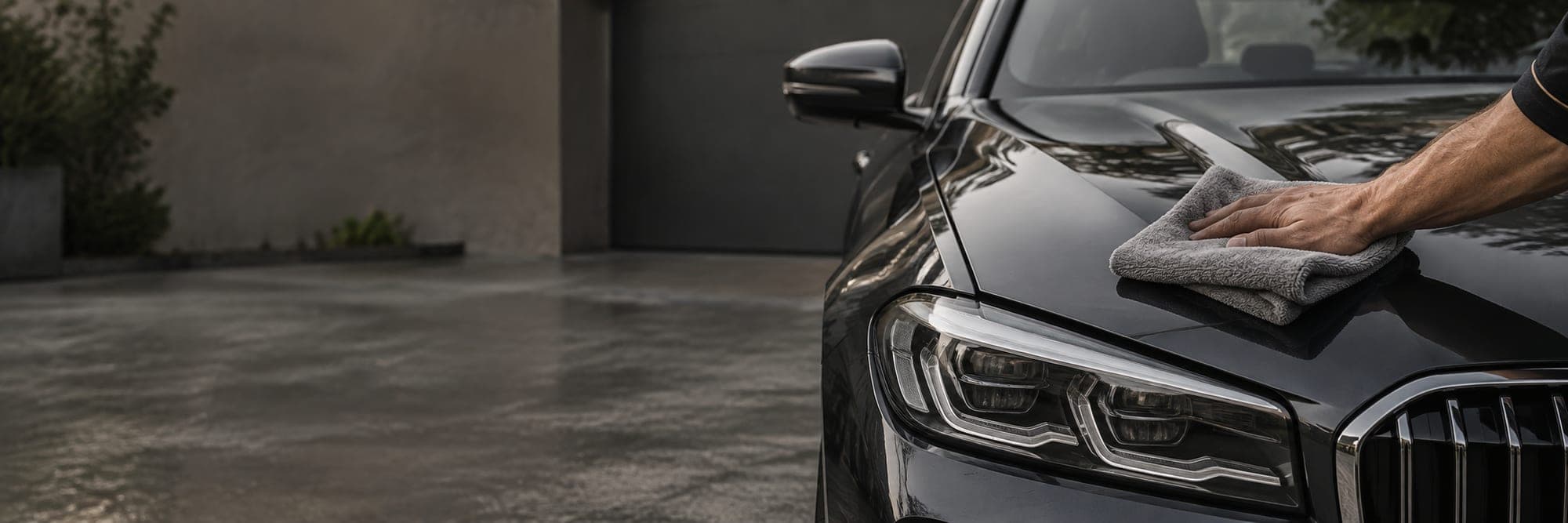
One is a polish that makes a finish look its best. The other removes clear coat to level out defects in it. Knowing which you are buying is the difference between value and disappointment.
Book in two minutes
Enter your ZIP code, tell us what you drive, and we will show you the arrival windows we have open.
No depositTwo-hour arrival windowsWe come to you