Interior care
Interior detailing vs. deep interior cleaning
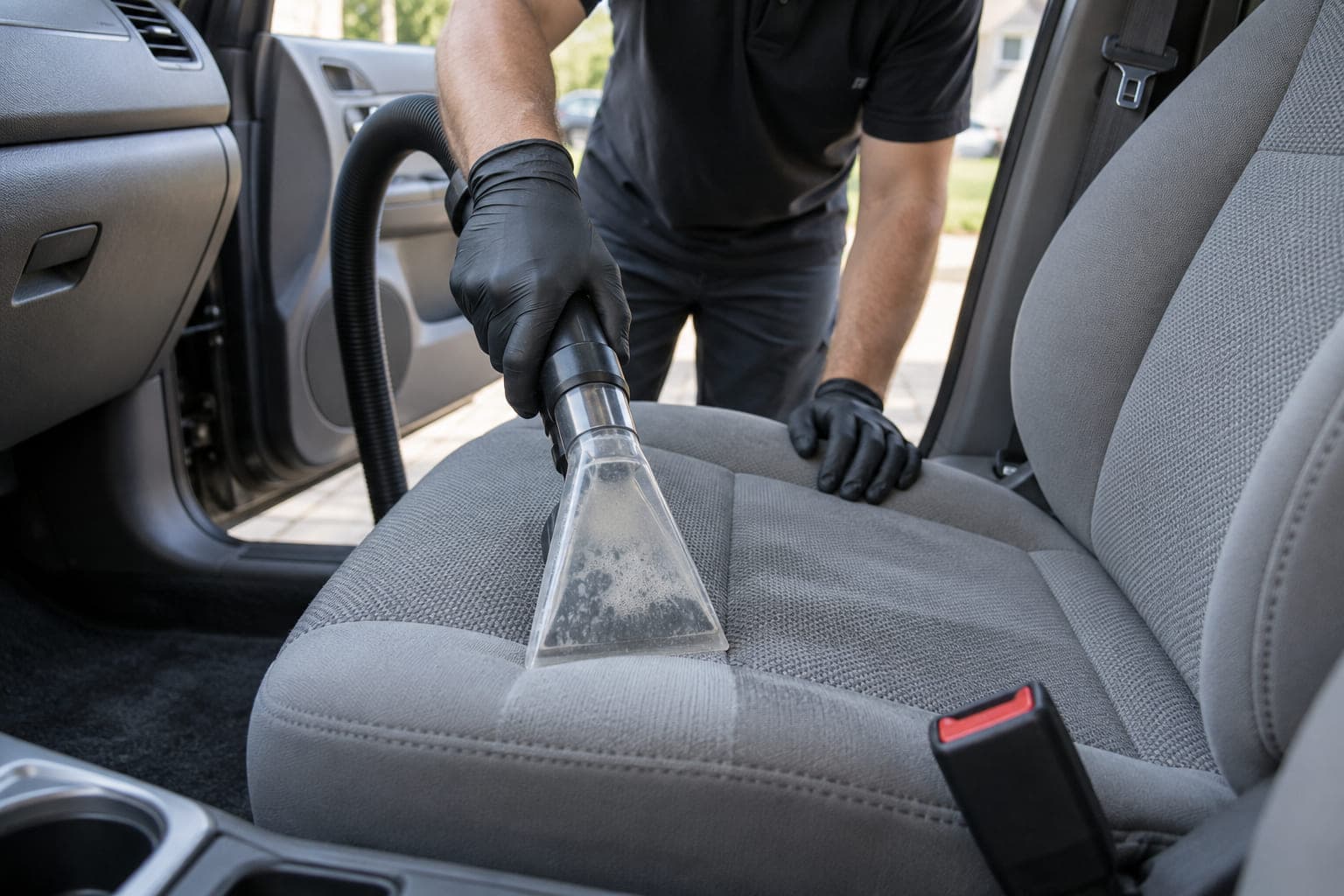
Both clean the inside of a car. Only one of them gets into the foam. Here is how to tell which your vehicle needs before you book, and what each one can and cannot remove.

Almost every car seat sold as leather is a coated surface, and that single fact changes the entire method.
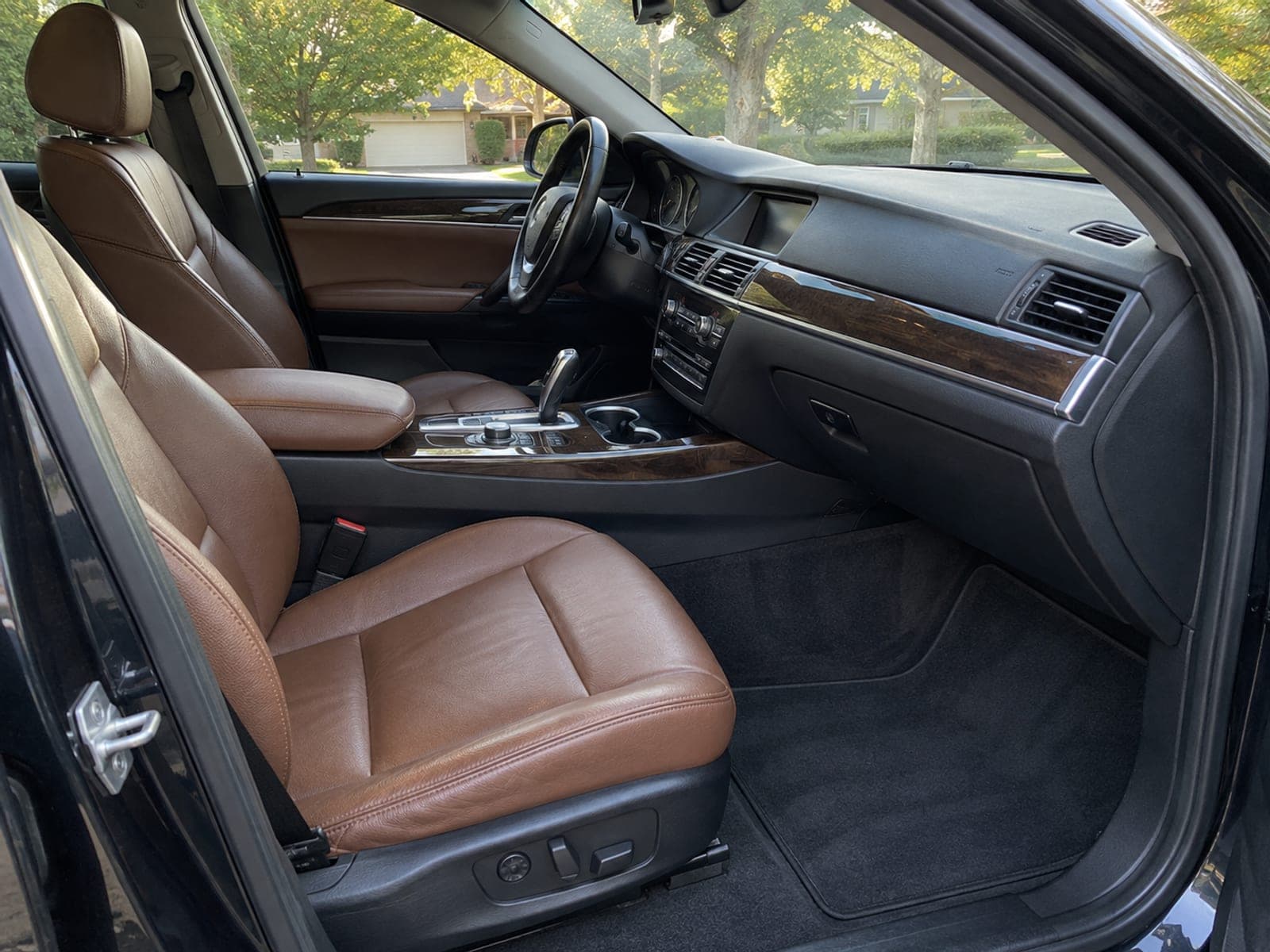
Most advice about car leather is really advice about furniture leather, and the two are not the same material. Getting that wrong is how a seat ends up clean, matte in the wrong way, and permanently lighter along the bolster.
With very few exceptions, automotive leather is coated. There is hide underneath, but what your hand touches is a pigmented polyurethane layer on top of it, textured to look like grain. Manufacturers do this because a bare hide would stain from a single spilled drink and fade in one summer.
Two consequences follow, and they are the whole article.
The whole technique is gentle agitation and immediate removal. Nothing here needs strength, and anything that does is the wrong product.
Perforated seats change step three and only step three. Liquid that goes through a perforation ends up in the foam and in the seat heater or ventilation system underneath, where it will not dry. Keep the brush barely damp, never spray at a perforated panel, and wipe across the holes rather than into them.
On coated leather, a conditioner is not soaking into the hide. It is leaving a thin protective film on the coating that keeps it flexible where the material flexes, and it carries ultraviolet inhibitors that slow the fading and hardening the sun causes.
That is worth doing a few times a year, and it is worth doing thinly. A heavy application does not absorb — it sits there, collects dust, transfers onto clothing, and makes the seat slippery. Matte is correct. A glossy seat has product on it, not protection in it.
The interval that matters depends far more on where the vehicle parks than on the label. In a climate with long, hot summers, the surface that fails first is always the one in the sun — what heat and ultraviolet light do to a vehicle covers why the driver bolster and the top of the rear seat go before anything else.
Some of what people want cleaned off is not on the seat at all, and knowing which is which saves an afternoon of scrubbing something that will never change.
An honest detailer says which of those you have before starting rather than afterward. The same principle applies across the rest of the cabin — pet hair, stains and odors goes through the fabric equivalents.
Leather is one of the few interior materials where a small amount of frequent attention genuinely outperforms an occasional deep clean, because most of what damages it is abrasion from grit and hardening from heat — both cumulative, both slow.
A full interior service cleans and conditions leather as part of the standard pass rather than as an add-on, which is the difference between a seat that is wiped and a seat where the seams and perforations have been worked through individually.
Keep reading
Chosen by what they have in common with this one, rather than by what was published most recently.
Both clean the inside of a car. Only one of them gets into the foam. Here is how to tell which your vehicle needs before you book, and what each one can and cannot remove.
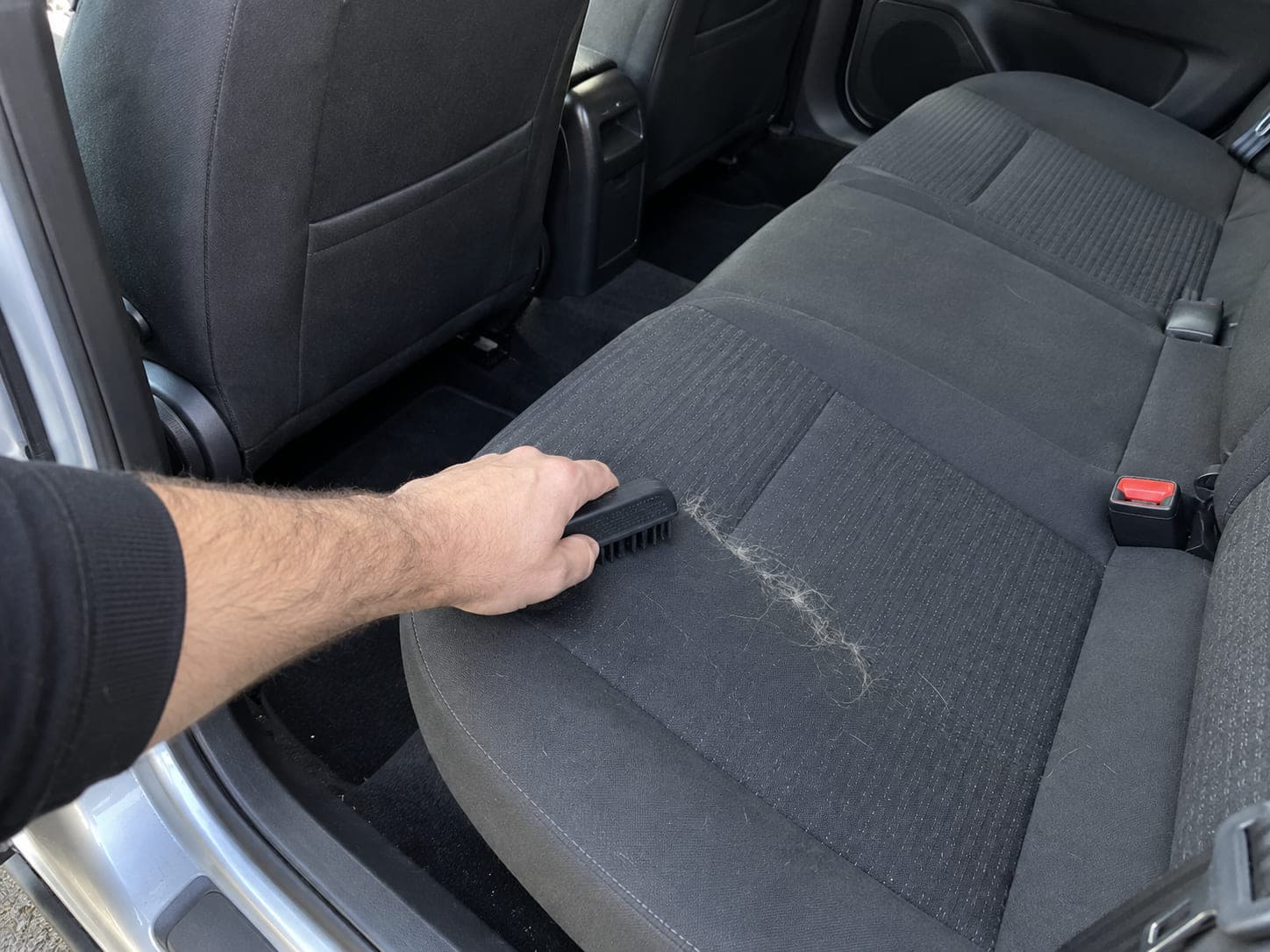
Three of the most common reasons people finally book a detail, and the three most misunderstood. What works on each, what makes them worse, and what is genuinely permanent.
Book in two minutes
Enter your ZIP code, tell us what you drive, and we will show you the arrival windows we have open.
No depositTwo-hour arrival windowsWe come to you